Windows operating systems have two similar applications for playing music. Both Groove Music and Windows Media Player are known by the Windows 10 users. By default, the MP3 files will play in Groove Music, which is the latest application for Windows operating system.

Difference between Groove Music and Windows Media Player
However, there is also the older Windows Media Player application that most of us have been using for audio and video for decades. The users are wondering what is the difference between these two and which one is better than the other one. In this article, we will talk about these two applications and the differences between them.
What is Groove Music?
Groove Music is an audio player application for the Windows operating systems. Windows 8, Windows 8.1, and Windows 10 operating systems have Groove Music as the default application for audio formats. This was once a music service similar to Spotify, however, it was discontinued since January 2018.
This was introduced primarily for Windows Phones first and then later on it was expanded for other ecosystems as well. Since it is a Microsoft product, users can use the OneDrive to upload their music and then stream music anytime by using the Groove Music application on any device.
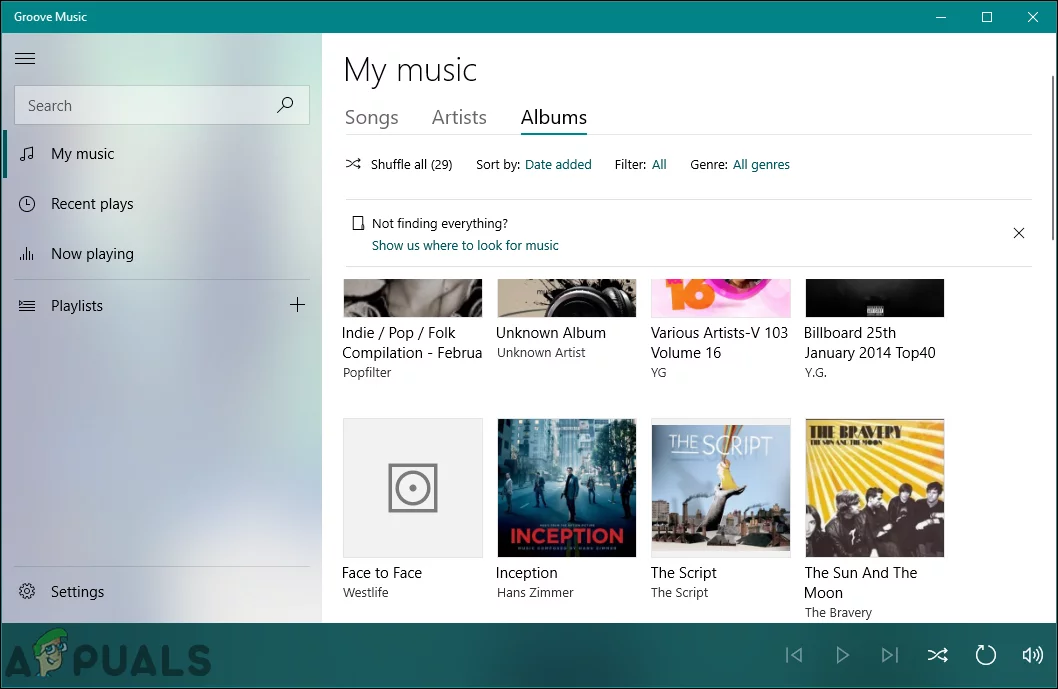
Groove Music Application
What is Windows Media Player?
The Microsoft Windows Media Player is a full-featured media player that is included for free with every Windows operating system. It has been the default and most used media player for all Windows users. Users can play music and watch videos through the Windows Media Player.
It also has the feature to rip music from and copy to a CD. Windows Media Player cannot play music files that are available on OneDrive by using the Internet. The latest version that we have is Windows Media Player 12. It is not the default application on the latest Windows, but you can change and make it the default . You can also use Windows Media Player to convert MP4 to MP3 formats.
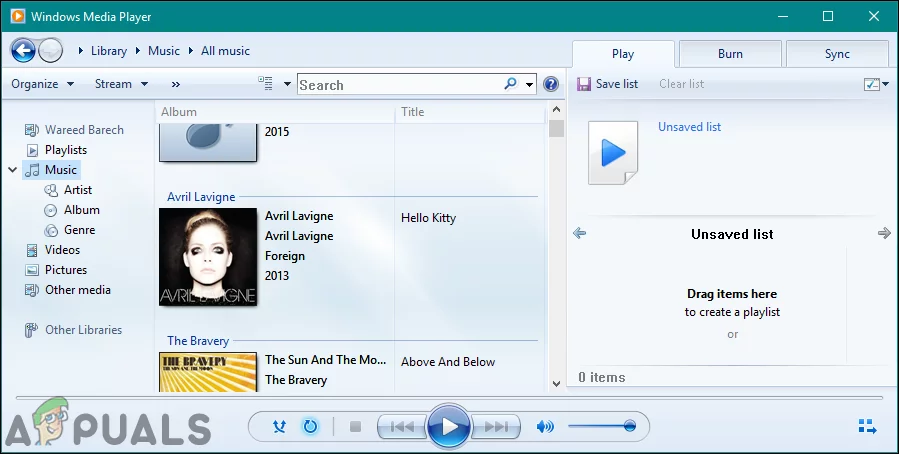
Windows Media Player
Difference Between Groove Music and Windows Media Player?
Windows Media Player is famous as a default and a great media player for decades, whereas Groove Music is a new music service from Microsoft. Groove Music is the Universal Windows application through which users can stream music on other devices such as Windows Phone and Xbox. Whereas Windows Media Player is not a universal application.
Groove Music is a newer application, so it is still developing and updating. However, Windows Media Player has stopped developing further. Groove Music has more features and the Windows Media Player lacks features and is a bit old-school.
However, Windows Media Player can also play video formats, whereas Groove Music is only for audio formats. In the end, it all depends on the interest of the user, how and what they want from these two applications. Users can also uninstall one of the applications which they don’t need for their system if they want to.
How to Fix “Printer is in an error state” Issue?
- Recognizing the importance of a printer’s duty cycle is crucial for choosing a device that matches your print volume needs. Staying within this limit ensures the printer operates efficiently and prolongs its lifespan, minimizing the risk of maintenance issues.
- Proper humidity, temperature, and cleanliness management can significantly enhance printer performance and maintain its duty cycle, preventing unnecessary wear.
- Enhancing a printer with upgrades like additional memory or better mechanical parts can improve its workload handling and extend its practical duty cycle, boosting overall durability and efficiency.
When choosing a new printer, you might come across the term “ duty cycle ” in the specifications. This guide will explain what a duty cycle is, why it matters, and how it can help you choose the right printer. We’ll keep things simple so you can easily understand how to use this information when shopping for a printer.
- Printer Duty Cycle: What It Means and Why It Matters?
- Why the Duty Cycle Is Key to Choosing the Right Printer?
- Duty Cycle vs. Recommended Monthly Print Volume: What’s the Difference?
- What Happens If You Ignore Printer Duty Cycle Recommendations? ↪ Real-World Scenarios: Why Exceeding the Duty Cycle Can Cost You
Printer Duty Cycle: What It Means and Why It Matters?

What is the meaning of Printer Duty Cycle?
The printer duty cycle represents the upper limit of a printer’s capacity—how many pages it can reliably process in a month before the risk of wear or malfunction increases. This figure is crucial for understanding printer performance limits and ensuring that your chosen printer can handle the expected work volume.
Manufacturers determine a printer’s duty cycle through stress testing, where the printer is pushed to its limit to identify how many pages it can produce each month before malfunctioning. These tests help set a reliable performance gateway for users.
A printer’s duty cycle is like a car’s speedometer—you wouldn’t drive a car at top speed all the time, and you shouldn’t push a printer to its maximum duty cycle. Doing so can lead to quicker wear and tear, more frequent maintenance, and a shorter lifespan.
If you’re unsure whether to choose an inkjet or laser printer, this detailed guide compares both options to help you make an informed decision.
Why the Duty Cycle Is Key to Choosing the Right Printer?

The Importance of Duty Cycle in printer selection
Knowing the duty cycle is essential when choosing a printer, as it determines how well the device can handle your monthly print volume without excessive wear or maintenance.
Here is why the duty cycle matters in printer selection:
- Fit for purpose: Selecting a printer with a suitable duty cycle ensures it can handle your monthly printing volume efficiently, reducing stress on its components.
- Longer lifespan and better performance: Staying within the duty cycle ensures optimal print quality and speed while prolonging the printer’s life, avoiding frequent breakdowns.
- Cost efficiency and reduced downtime: Operating within the duty cycle minimizes the need for repairs and reduces operational disruptions, managing long-term costs.
Duty Cycle vs. Recommended Monthly Print Volume: What’s the Difference?

Duty Cycle vs. recommended monthly print volume
The recommended monthly print volume is the optimal number of pages a printer should handle each month for the best performance and longevity. Unlike the maximum capacity indicated by the duty cycle, this number guides regular usage, ensuring the printer operates efficiently without excessive wear.
If your print volume regularly exceeds the recommended amount but stays within the duty cycle, the printer may operate safely in the short term, but it could still experience accelerated wear and reduced lifespan over time.
In such cases, consider upgrading to a higher-capacity printer or spreading print jobs across multiple devices to ensure long-term performance.
Here are the differences between the duty cycle and recommended monthly print volume:
- Duty cycle: Represents the maximum number of pages a printer can handle in a month without breaking down. It assesses the printer’s upper limit.
- Recommended monthly print volume: Suggests a practical, workable number of pages to print each month to keep the printer in good condition over its lifespan.
What Happens If You Ignore Printer Duty Cycle Recommendations?

Consequences of ignoring Duty Cycle recommendations |AndranikHakobyan via Canva
Ignoring the duty cycle limits poses more severe risks than exceeding the recommended monthly print volume, leading to serious long-term consequences.
While exceeding the recommended volume occasionally may result in additional wear and tear, consistently exceeding the duty cycle can lead to frequent breakdowns, reduced performance, and a shortened lifespan.
Ignoring duty cycle limits leads to frequent breakdowns, reduced performance, and increased maintenance, ultimately shortening the printer’s lifespan and causing more frequent operational downtime and higher repair costs. Long-term, pushing a printer beyond its limits leads to greater financial burdens due to premature replacements and inefficiencies.
↪ Real-World Scenarios: Why Exceeding the Duty Cycle Can Cost You
For example, in a busy law firm, overlooking duty cycle limits during a high-stakes period could cause a printer breakdown just before a critical deadline, delaying crucial legal filings and ultimately compromising client service.
For small businesses, consistently exceeding a printer’s duty cycle can lead to costly emergency repairs or premature equipment replacements, straining financial resources.
