Imagine you’re sitting at your desk, trying to log into your bank account to check your balance. You enter your username and password, and just as you’re about to receive the One-Time Password (OTP) on your phone for authentication, you get a notification from your bank stating that a transaction has been initiated from your account.
This is a situation where you need to be alarmed . In this post, let’s delve deep into understanding OTP bots, their impact, and how you can stay safe online.
- What is an OTP (One-Time Password)?
- What is 2FA (2-Factor Authorization)?
- What are OTP Bots? ↪ Impact of OTP Bots and How They Threaten Us
- How to Stay Safe from OTP Bots?
What is an OTP (One-Time Password)?
A One-Time Password (OTP) is a unique code typically sent to your mobile phone or email address to verify your identity during online transactions or logins. It’s called a one-time password because it’s valid for only a single use and expires after a short period of time .
It’s crucial to stress that OTPs should exclusively be received for actions you’ve personally initiated , such as logging into an account or authorizing a transaction. Under no circumstances should you divulge your OTP to anyone else, as it serves as a critical layer of security to validate your identity. If you receive an OTP without having triggered any corresponding action, exercise caution and vigilance.
What is 2FA (2-Factor Authorization)?
2FA, or Two-Factor Authentication , is a security process that requires users to provide two different authentication factors to verify their identity .
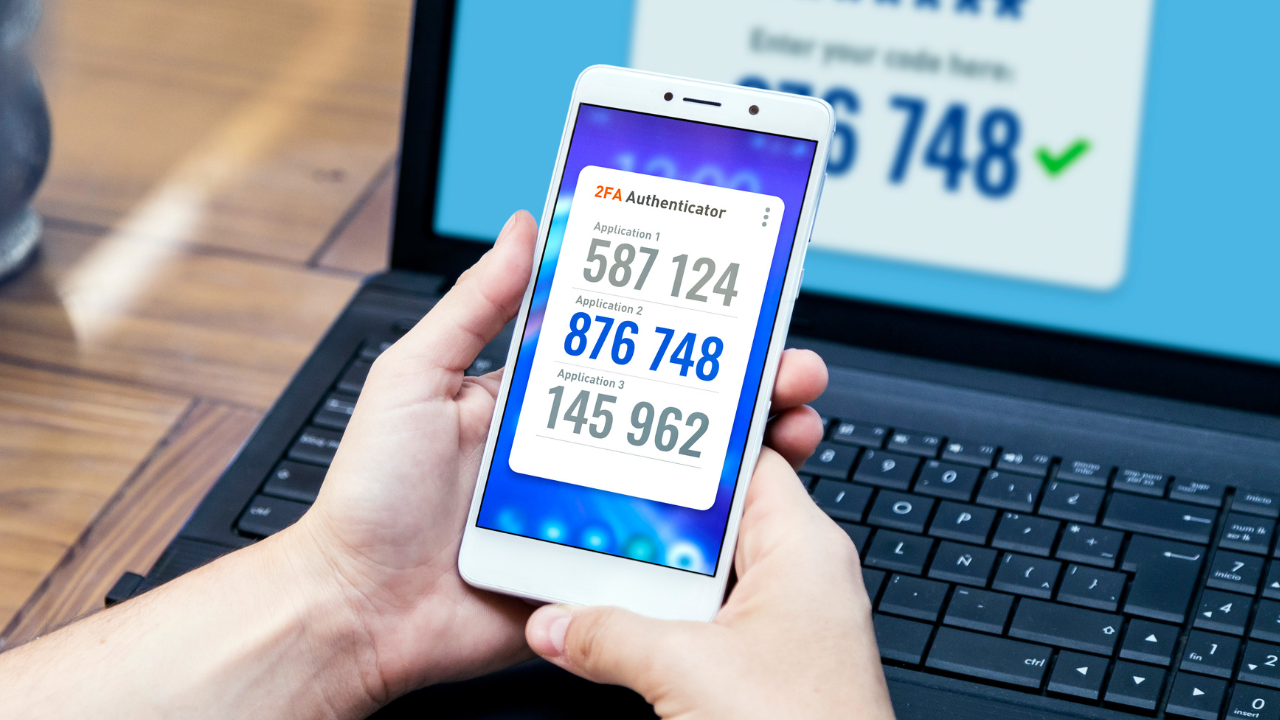
These factors can include something you know (like a password) and something you have (like a smartphone or a One Time Password). Its purpose is to ensure that the individual seeking authorization is indeed the rightful owner and not solely relying on the secrecy of a compromised password.
What are OTP Bots?
OTP Bots, also known as One-Time Password Bots , are automated tools designed to intercept and exploit OTPs sent during authentication processes . These bots operate by intercepting OTPs via text message, email, or other communication channels and swiftly utilizing them to gain unauthorized access to targeted accounts.
They are programmed to act quickly within the short window of validity of OTPs, enabling them to compromise accounts without the legitimate user’s knowledge. OTP Bots pose a significant threat to cybersecurity as they can lead to account takeovers, data theft, and various fraudulent activities.
↪ Impact of OTP Bots and How They Threaten Us
OTP Bots pose a significant threat to online security. Here are some risks they pose to us:
- Account Takeovers: OTP Bots can lead to unauthorized access to sensitive accounts, resulting in potential data breaches and financial losses.
- Data Theft: Once inside compromised accounts, attackers can steal personal information, financial data, or confidential business information.
- Fraudulent Activities: Attackers can exploit compromised accounts for various fraudulent activities, such as unauthorized transactions, identity theft, or spreading malware.
- Economic Losses: Individuals and businesses may suffer economic losses due to fraud, legal liabilities, and damage to their reputation caused by OTP Bot attacks.
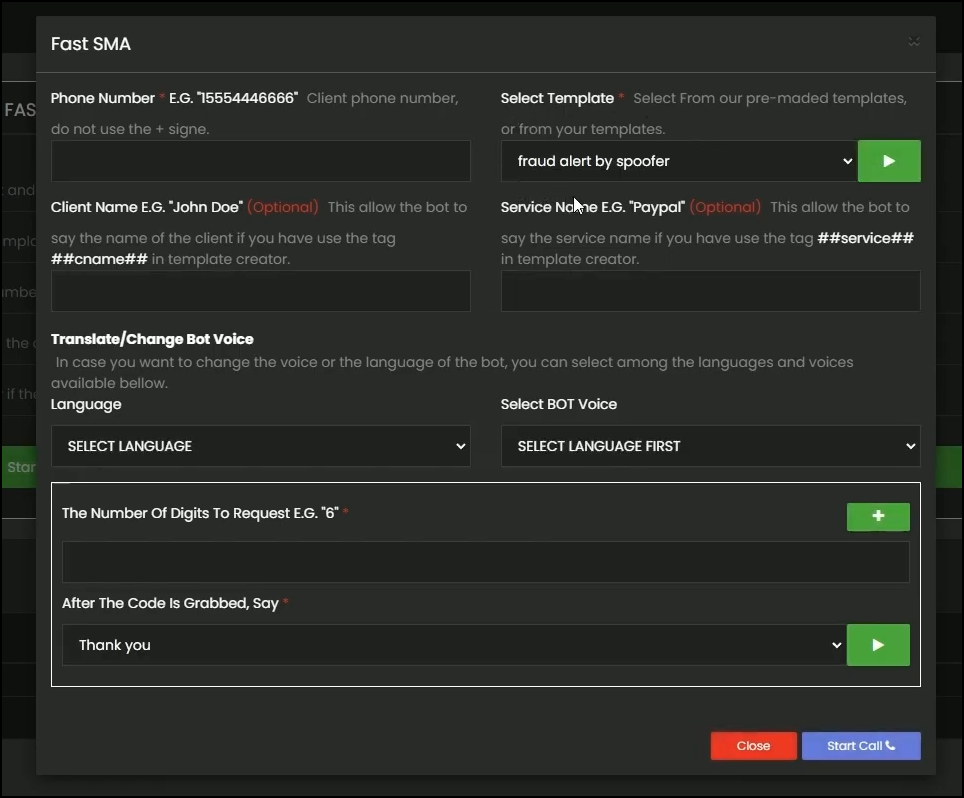
Certain platforms offer services tailored to facilitate fraudulent activities, including OTP interception and SMS spoofing. These services typically include an OTP Bot Spoofer , an automated call service designed to intercept OTPs across various languages and regions .
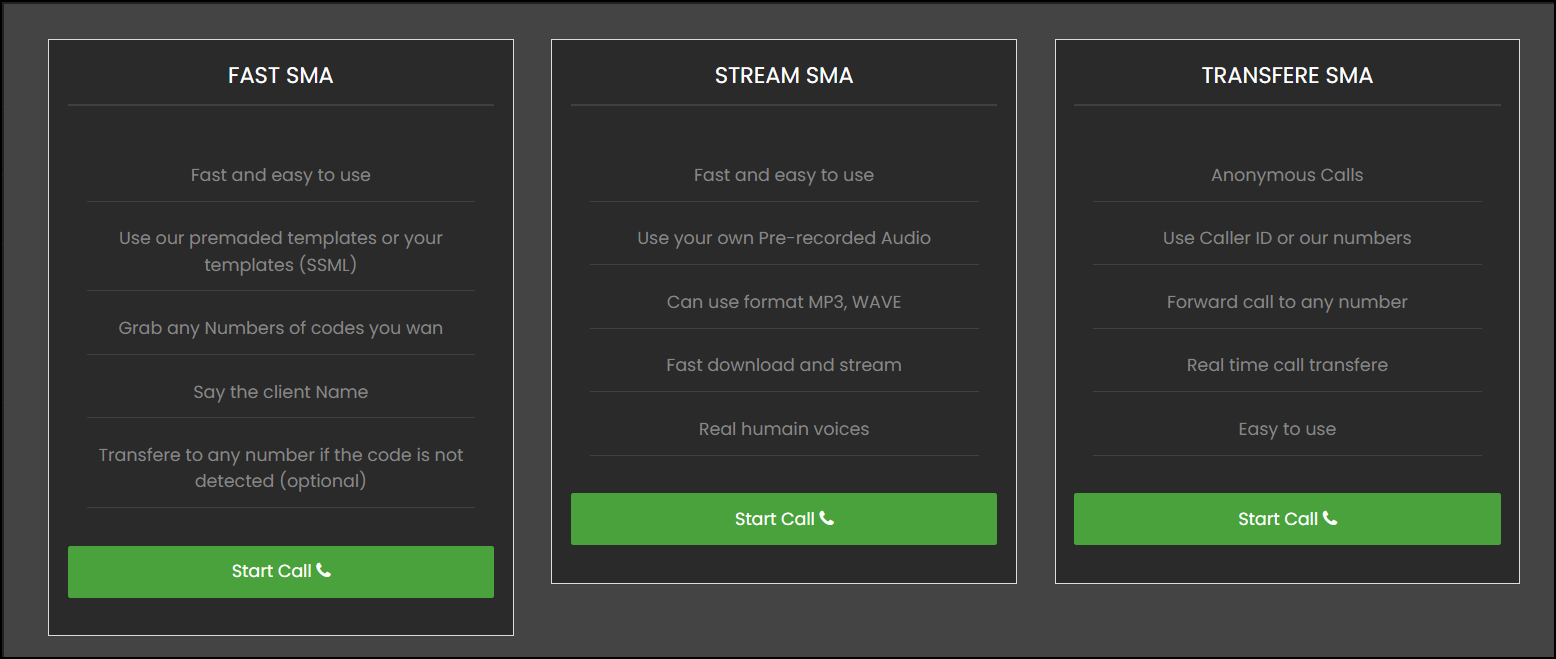
They often categorize their offerings into different types, such as Fast SMA, Stream SMA, and Transfere SMA. Fast SMA provides speed and customization for personalized calls, while Stream SMA enhances authenticity by allowing threat actors to use their audio recordings. Transfere SMA offers anonymity through manipulated caller IDs and call forwarding options, enabling impersonation and large-scale phishing campaigns.
How to Stay Safe from OTP Bots?
In today’s digital world, it’s crucial to stay safe online, especially from OTP Bots. Here are some simple precautions to follow:
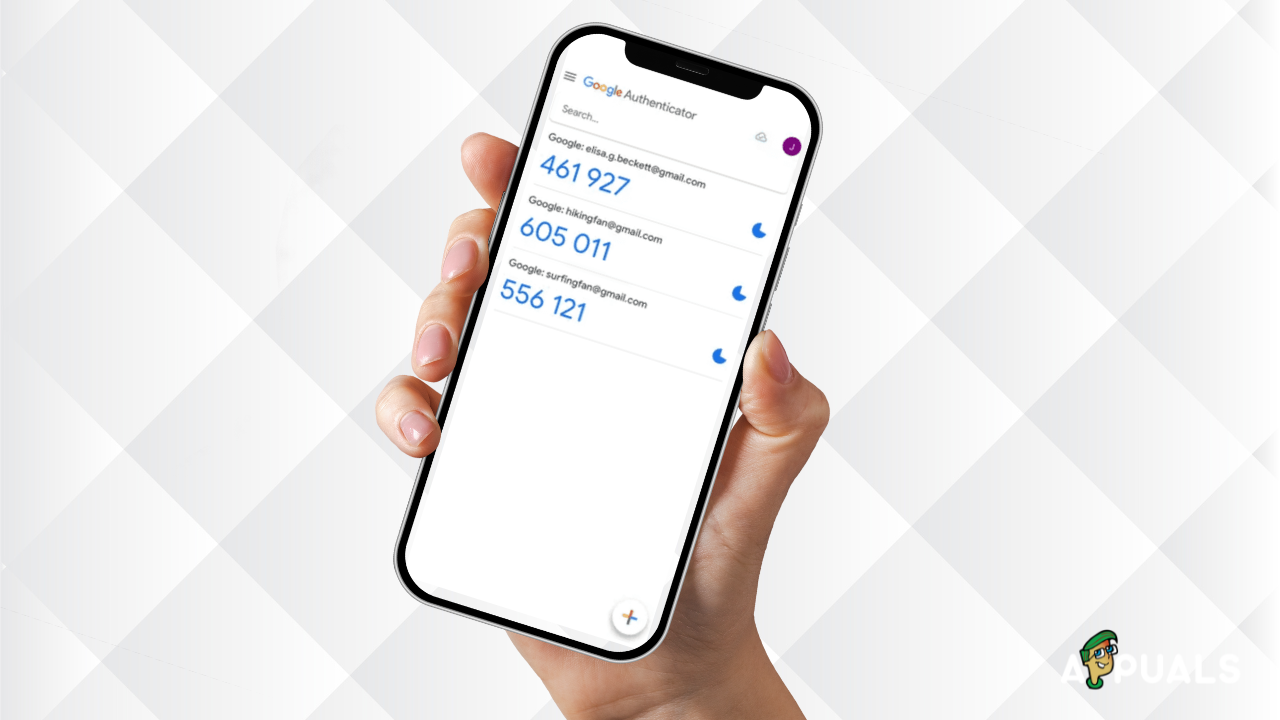
- Opt for app-based authenticators: Instead of relying on SMS-based OTPs, use authenticator apps like Google Authenticator, which generate OTPs locally on your device and are more secure.
- Enable biometric authentication: Whenever possible, enable biometric authentication methods such as fingerprint or face recognition, in addition to OTPs, for an extra layer of security.
- Keep your software up to date: Regularly update your operating system, web browsers, and security software to patch known vulnerabilities and protect against potential attacks.
- Be cautious of phishing attempts: Avoid clicking links or downloading attachments from unknown sources, as they may contain malware to steal your OTPs or other sensitive information.
- Monitor your accounts: Regularly check your bank statements, transaction history, and online accounts for any unauthorized activity. If you notice any suspicious activity, report it to the relevant authorities immediately.
Yes, OTP Bots can intercept OTPs sent via SMS, even if you have enabled 2FA. That’s why it’s crucial to use more secure authentication methods like app-based authenticators.
Yes, using OTP Bots to gain unauthorized access to accounts or steal sensitive information is illegal and punishable by law.
OTP Bots can be used to intercept OTPs for accounts that rely on SMS-based authentication. However, accounts protected by more secure authentication methods may be less vulnerable to OTP Bot attacks.
If you suspect that your account has been compromised, immediately change your passwords, enable additional security measures like 2FA, and contact the relevant authorities or service providers to report the incident and secure your account.
How to Fix “Printer is in an error state” Issue?
- Recognizing the importance of a printer’s duty cycle is crucial for choosing a device that matches your print volume needs. Staying within this limit ensures the printer operates efficiently and prolongs its lifespan, minimizing the risk of maintenance issues.
- Proper humidity, temperature, and cleanliness management can significantly enhance printer performance and maintain its duty cycle, preventing unnecessary wear.
- Enhancing a printer with upgrades like additional memory or better mechanical parts can improve its workload handling and extend its practical duty cycle, boosting overall durability and efficiency.
When choosing a new printer, you might come across the term “ duty cycle ” in the specifications. This guide will explain what a duty cycle is, why it matters, and how it can help you choose the right printer. We’ll keep things simple so you can easily understand how to use this information when shopping for a printer.
- Printer Duty Cycle: What It Means and Why It Matters?
- Why the Duty Cycle Is Key to Choosing the Right Printer?
- Duty Cycle vs. Recommended Monthly Print Volume: What’s the Difference?
- What Happens If You Ignore Printer Duty Cycle Recommendations? ↪ Real-World Scenarios: Why Exceeding the Duty Cycle Can Cost You
Printer Duty Cycle: What It Means and Why It Matters?

What is the meaning of Printer Duty Cycle?
The printer duty cycle represents the upper limit of a printer’s capacity—how many pages it can reliably process in a month before the risk of wear or malfunction increases. This figure is crucial for understanding printer performance limits and ensuring that your chosen printer can handle the expected work volume.
Manufacturers determine a printer’s duty cycle through stress testing, where the printer is pushed to its limit to identify how many pages it can produce each month before malfunctioning. These tests help set a reliable performance gateway for users.
A printer’s duty cycle is like a car’s speedometer—you wouldn’t drive a car at top speed all the time, and you shouldn’t push a printer to its maximum duty cycle. Doing so can lead to quicker wear and tear, more frequent maintenance, and a shorter lifespan.
If you’re unsure whether to choose an inkjet or laser printer, this detailed guide compares both options to help you make an informed decision.
Why the Duty Cycle Is Key to Choosing the Right Printer?

The Importance of Duty Cycle in printer selection
Knowing the duty cycle is essential when choosing a printer, as it determines how well the device can handle your monthly print volume without excessive wear or maintenance.
Here is why the duty cycle matters in printer selection:
- Fit for purpose: Selecting a printer with a suitable duty cycle ensures it can handle your monthly printing volume efficiently, reducing stress on its components.
- Longer lifespan and better performance: Staying within the duty cycle ensures optimal print quality and speed while prolonging the printer’s life, avoiding frequent breakdowns.
- Cost efficiency and reduced downtime: Operating within the duty cycle minimizes the need for repairs and reduces operational disruptions, managing long-term costs.
Duty Cycle vs. Recommended Monthly Print Volume: What’s the Difference?

Duty Cycle vs. recommended monthly print volume
The recommended monthly print volume is the optimal number of pages a printer should handle each month for the best performance and longevity. Unlike the maximum capacity indicated by the duty cycle, this number guides regular usage, ensuring the printer operates efficiently without excessive wear.
If your print volume regularly exceeds the recommended amount but stays within the duty cycle, the printer may operate safely in the short term, but it could still experience accelerated wear and reduced lifespan over time.
In such cases, consider upgrading to a higher-capacity printer or spreading print jobs across multiple devices to ensure long-term performance.
Here are the differences between the duty cycle and recommended monthly print volume:
- Duty cycle: Represents the maximum number of pages a printer can handle in a month without breaking down. It assesses the printer’s upper limit.
- Recommended monthly print volume: Suggests a practical, workable number of pages to print each month to keep the printer in good condition over its lifespan.
What Happens If You Ignore Printer Duty Cycle Recommendations?

Consequences of ignoring Duty Cycle recommendations |AndranikHakobyan via Canva
Ignoring the duty cycle limits poses more severe risks than exceeding the recommended monthly print volume, leading to serious long-term consequences.
While exceeding the recommended volume occasionally may result in additional wear and tear, consistently exceeding the duty cycle can lead to frequent breakdowns, reduced performance, and a shortened lifespan.
Ignoring duty cycle limits leads to frequent breakdowns, reduced performance, and increased maintenance, ultimately shortening the printer’s lifespan and causing more frequent operational downtime and higher repair costs. Long-term, pushing a printer beyond its limits leads to greater financial burdens due to premature replacements and inefficiencies.
↪ Real-World Scenarios: Why Exceeding the Duty Cycle Can Cost You
For example, in a busy law firm, overlooking duty cycle limits during a high-stakes period could cause a printer breakdown just before a critical deadline, delaying crucial legal filings and ultimately compromising client service.
For small businesses, consistently exceeding a printer’s duty cycle can lead to costly emergency repairs or premature equipment replacements, straining financial resources.
