Qualcomm’s next flagship mobile SoC, the Snapdragon 8 Gen 4 , is rumored to come with several upgrades and performance improvements over its predecessor, the Snapdragon 8 Gen 3 . This year, Qualcomm will make a significant shift by switching from off-the-shelf ARM cores to its custom-designed Oryon cores.
Qualcomm’s Next Flagship Mobile SoC Could Match Clock Speeds to that of its High-Performance Laptop Processor
This transition to in-house cores grants Qualcomm greater flexibility in fine-tuning the chip’s performance and efficiency. While initial rumors suggested the Snapdragon 8 Gen 4 might be the first mobile SoC to break the 4GHz barrier , newer rumors hint at the possibility of it reaching a staggering 4.3GHz clock speed, which is notably on par with Qualcomm’s high-performance laptop processor, the Snapdragon X Elite .
Snapdragon X Elite | Qualcomm
In a previous report, we highlighted that due to Qualcomm’s decision to abandon low-power efficiency cores , it could potentially result in a TDP of nearly 14W , with each of the two L-cores (large cores) consuming up to 5.47W . This time, it is projected that each of these L-cores could escalate to 10W .
A Jump to 4.3GHz Would Likely Push TDP Numbers Through the Roof
Taking a step back and comparing this to the last-generation Gen 3 SoC, which operated at 12.7W , the 8 Gen 4 would elevate the TDP to a whopping 24-25W , marking a whole 100% increase in power consumption, draining the efficiency numbers right through the ground.
While an ideal scenario might involve heavily cooled custom water-loop setups in flagship phones from every manufacturer, the reality is that such solutions are highly unlikely and would require substantial investment in R&D. While we saw some cooling advancements in flagships like the Samsung Galaxy S24U , it’s still insufficient to consistently handle such high power demands.
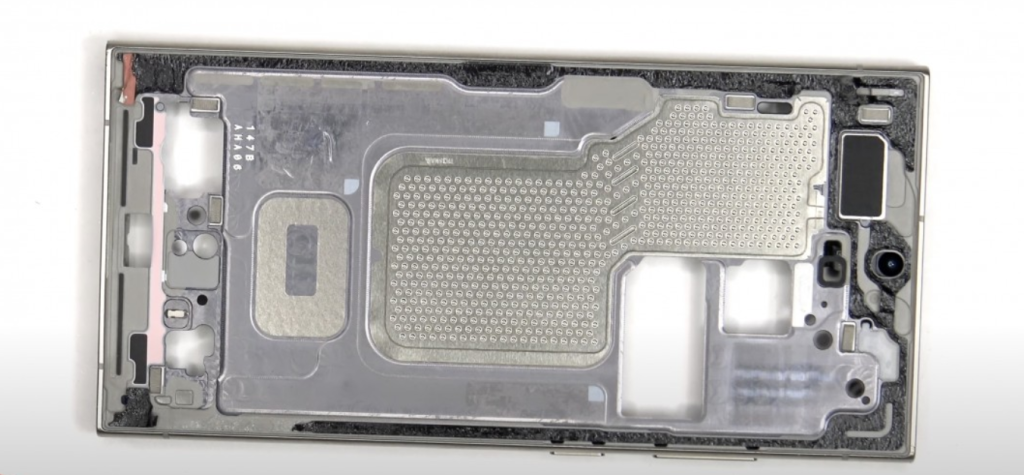
The 20% larger vapor chamber on the S24 Ultra |PBKreviews
Therefore, Qualcomm will likely need to significantly reduce the frequency of the Snapdragon 8 Gen 4. The ideal number being discussed within the community is 3.8GHz , which aligns with the default clock speed of the Snapdragon X Elite and the maximum boost clock of the Apple A17 Pro .
This is all we know for now, but rest assured that we will keep you updated as new information becomes available.
via: Nguyen Phi Hung on X
