Talking about Office Suites, Microsoft Office is considered to be one of the best paid softwares that has been in the lead for almost forever (in my opinion). But now, there are a number of free softwares that are providing similar services to the ones offered by Microsoft Office, is making the users a tiny bit confused whether they should continue using Microsoft Office, or should shift to these alternate free softwares, namely, LibreOffice and Open Office.
The three Suites, as mentioned above, have their own distinct features, which help the users decide as to which software should be their pick. Lets have a closer analysis of the three.
Commercial Source or Open Source
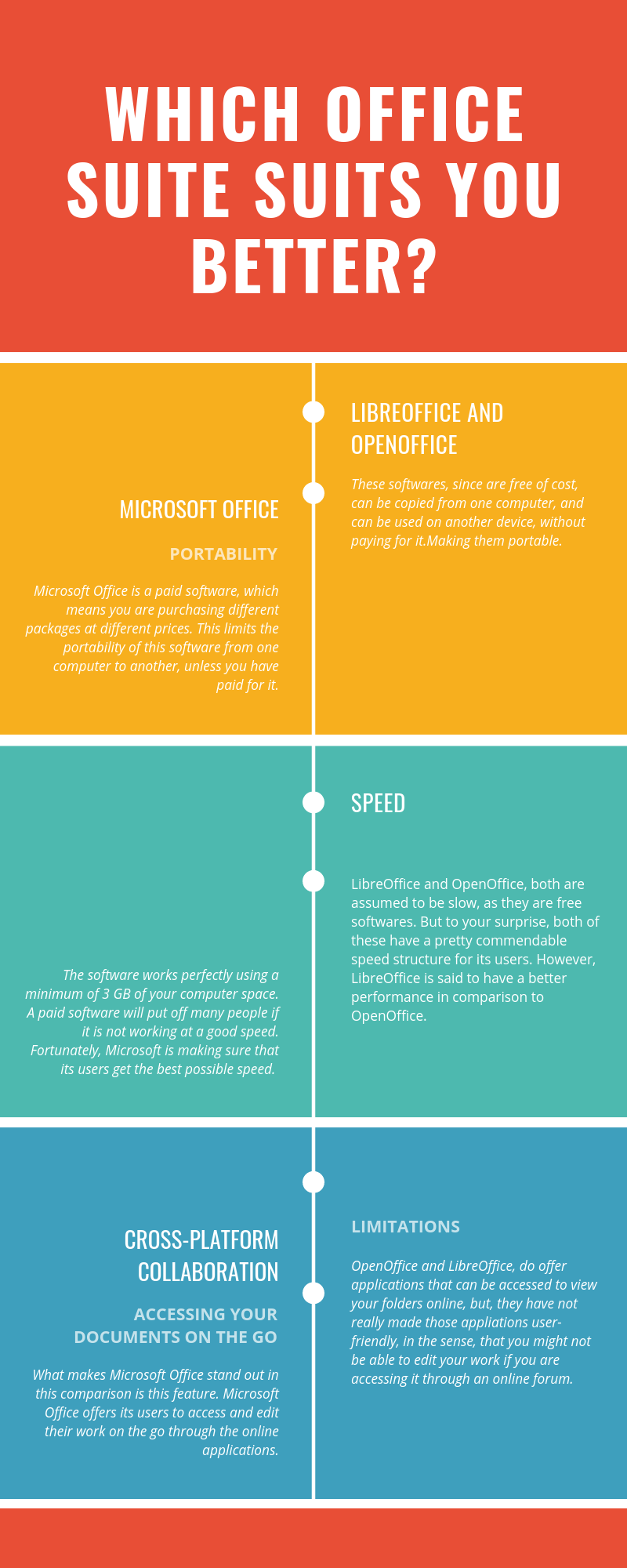
The basic, and foremost difference between Microsoft Office and, LibreOffice and OpenOffice, is, that Microsoft Office is a paid software, while the other two are free of cost. This is sometimes the biggest deciding factors for many Office users, who would want to get the best services at the cheapest cost possible.
As Microsoft Office is a paid commercial software, the users must pay a certain amount to keep the software running smoothly. Making the company, a profit driven organization. While on the other hand, free office suites like LibreOffice and OpenOffice, cost nothing. The developers of these suites are not focused on the profits, unlike those, of Microsoft.
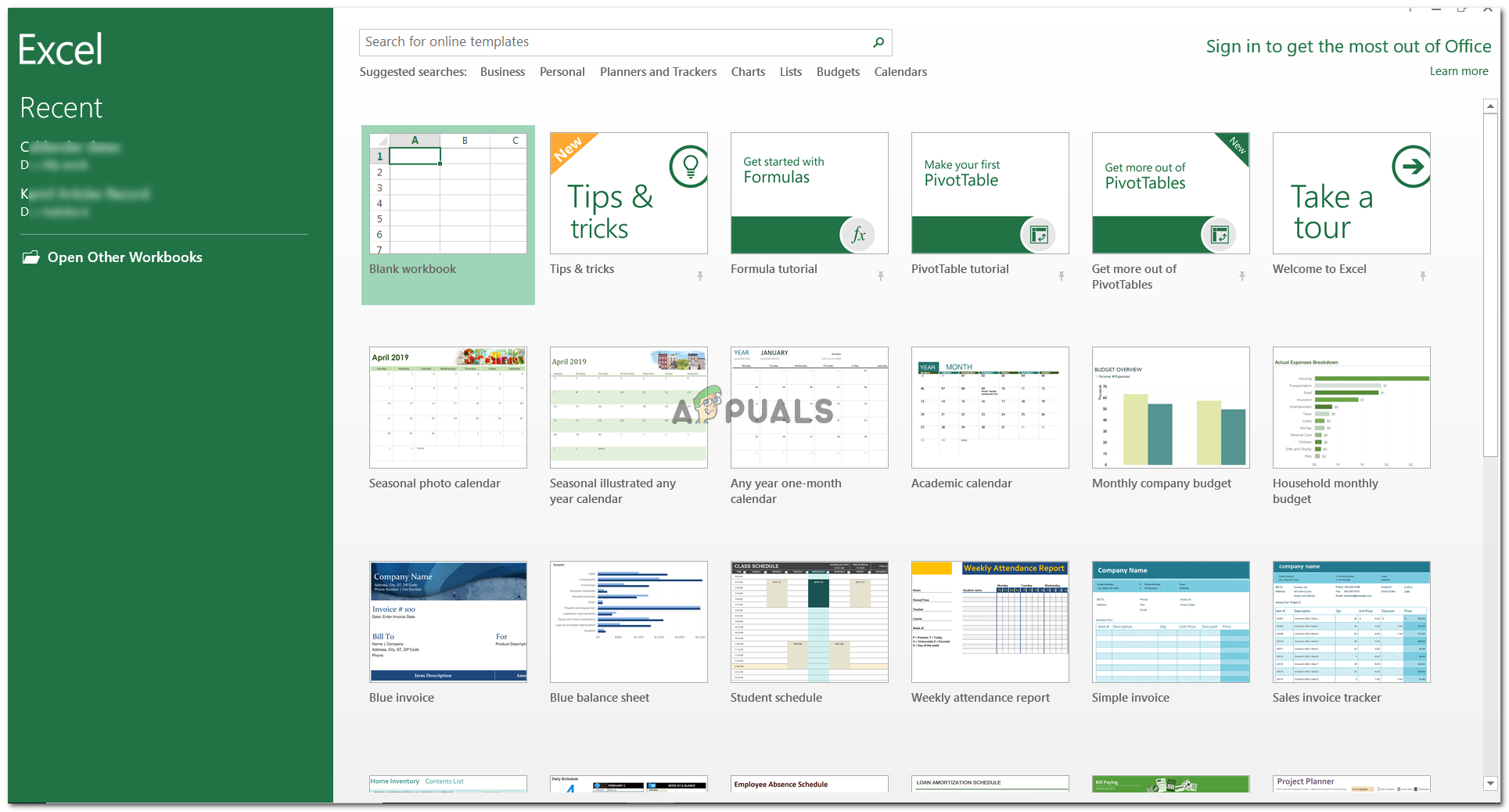
Microsoft Excel
Another very important factor that makes these paid and free softwares different from each other is that Microsoft Office can only be downloaded on different devices which directly depends on the kind of purchase you have made. For instance, if you have bought a license for Microsoft Office for a single computer, you will not be allowed by the company to have it downloaded on other computers for free. But this is not the case for LibreOffice or OpenOffice. You can download either of these two free softwares on as many computers as you like.
What Makes Microsoft Office Stand Out
Everything is becoming technologically linked. For instance, if I am using my phone, I can access my work files through the phone which are in the drive of my Computer. Similarly, Microsoft Office has a very well planned collaboration for cross-platform access to documents. You can upload your work from your computer on the cloud, which can be accessed from anywhere, from any device, and you can make the changes to your document on the go.OpenOffice and LibreOffice, on the other hand, might provide limited access when you are using the documents from a different device or through the internet.
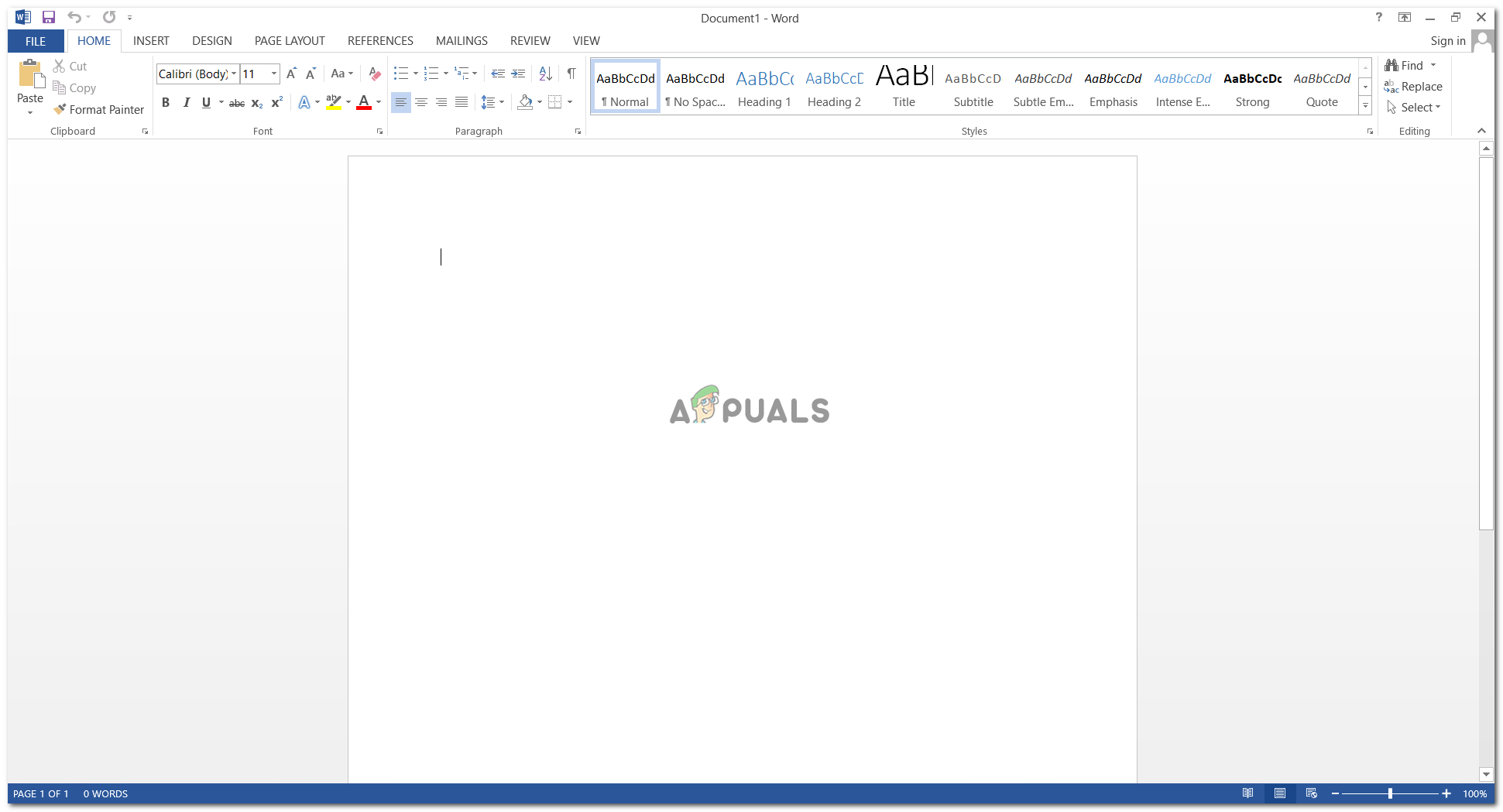
Microsoft Word
LibreOffice and OpenOffice : Which Open Source Suite to Pick
If you are someone who is looking fro a free of cost office suite, then LibreOffice and OpenOffice could be your two options. But here are a few similarities and differences between the two that you must look into before picking either of these two. According to research, there are more similarities then differences between the two as both are made using a similar source code.
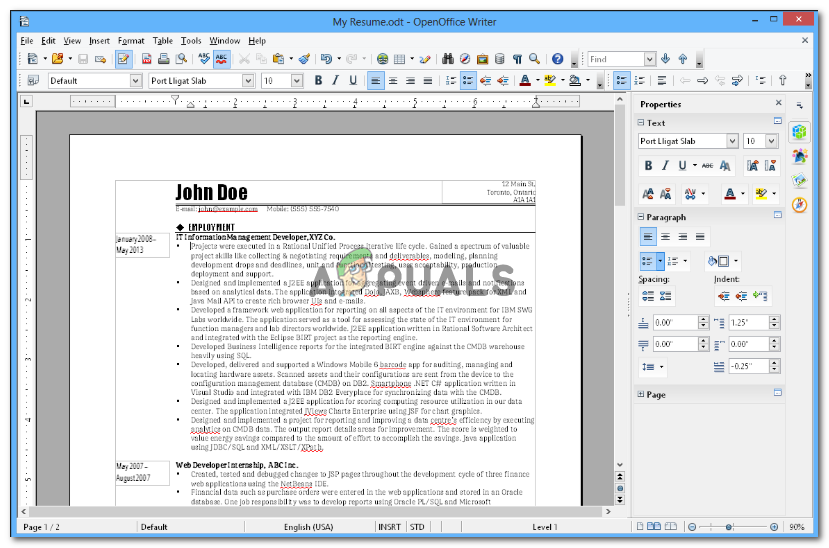
OpenOffice
Both, LibreOffice and OpenOffice offer its users products like, word documenting software, spreadsheets, and presentation makers, which are also the products offered by Microsoft Word (with additional features and additonal products as well).So what should be the deciding factor when choosing between the two? Well, many people have reviewed LibreOffice to be much faster than OpenOffice. If I was the one choosing between the two, I would definitely go for a software that will not keep me waiting. Something that is not slow is what I need as I use my laptop pretty often.
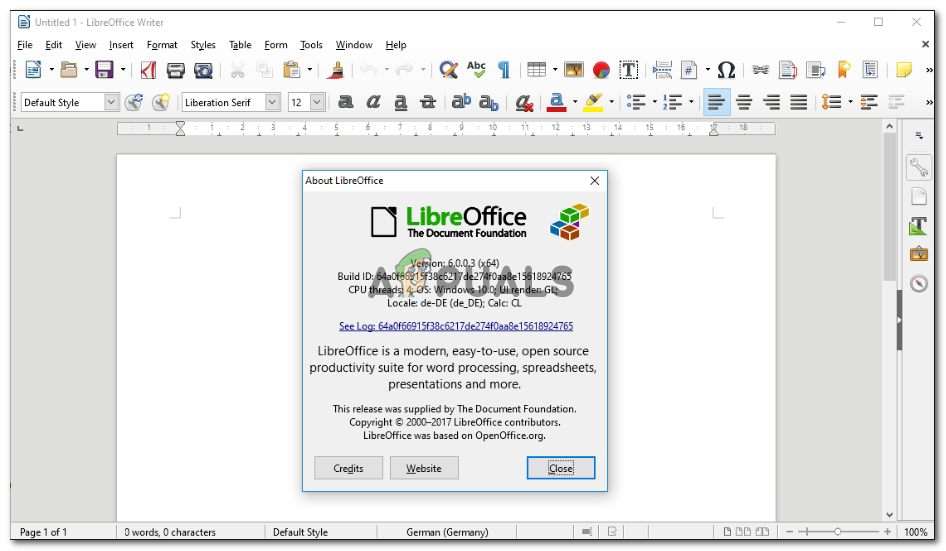
LibreOffice
Microsoft Office, LibreOffice and OpenOffice: Features and Security
Features
Microsoft Office
- Tab-based interior for tools
- Highlights spelling errors
OpenOffice and LibreOffice
- Traditional Interface
- The need to download an external software to check spelling errors
All three of these softwares for suites have products similar to each others, for instance, what Microsoft calls Microsoft Word is called as Writer for LibreOffice and OpenOffice.
Security
The three suites that we are talking about are secure for use by any individual. You might want to read their guidelines to make sure you don’t end yourself up in a security problem (which is has very few chances of happening).
In the end, however, the decision depends on your power to purchase and what are your requirements as a user.
| Features | Microsoft Office | OpenOffice | LibreOffice |
|---|---|---|---|
| Portability | No (Limited number of devices according to the purchase made) | Yes | Yes |
| Speed | Good | OK | Good |
| Price | Varies with the Package you Choose | Free | Free |
| Cross-Platform Collaboration | Yes | No | No |
| Grammar Check | Yes | Need to Download an External Software | Need to Download an External Software |
| Space | Minimum 3GB Needed | Doesn’t Require much Space | Doesn’t Require much Space |
Comparison of Microsoft Office, LibreOffice and OpenOffice
How to Fix “Printer is in an error state” Issue?
- Recognizing the importance of a printer’s duty cycle is crucial for choosing a device that matches your print volume needs. Staying within this limit ensures the printer operates efficiently and prolongs its lifespan, minimizing the risk of maintenance issues.
- Proper humidity, temperature, and cleanliness management can significantly enhance printer performance and maintain its duty cycle, preventing unnecessary wear.
- Enhancing a printer with upgrades like additional memory or better mechanical parts can improve its workload handling and extend its practical duty cycle, boosting overall durability and efficiency.
When choosing a new printer, you might come across the term “ duty cycle ” in the specifications. This guide will explain what a duty cycle is, why it matters, and how it can help you choose the right printer. We’ll keep things simple so you can easily understand how to use this information when shopping for a printer.
- Printer Duty Cycle: What It Means and Why It Matters?
- Why the Duty Cycle Is Key to Choosing the Right Printer?
- Duty Cycle vs. Recommended Monthly Print Volume: What’s the Difference?
- What Happens If You Ignore Printer Duty Cycle Recommendations? ↪ Real-World Scenarios: Why Exceeding the Duty Cycle Can Cost You
Printer Duty Cycle: What It Means and Why It Matters?

What is the meaning of Printer Duty Cycle?
The printer duty cycle represents the upper limit of a printer’s capacity—how many pages it can reliably process in a month before the risk of wear or malfunction increases. This figure is crucial for understanding printer performance limits and ensuring that your chosen printer can handle the expected work volume.
Manufacturers determine a printer’s duty cycle through stress testing, where the printer is pushed to its limit to identify how many pages it can produce each month before malfunctioning. These tests help set a reliable performance gateway for users.
A printer’s duty cycle is like a car’s speedometer—you wouldn’t drive a car at top speed all the time, and you shouldn’t push a printer to its maximum duty cycle. Doing so can lead to quicker wear and tear, more frequent maintenance, and a shorter lifespan.
If you’re unsure whether to choose an inkjet or laser printer, this detailed guide compares both options to help you make an informed decision.
Why the Duty Cycle Is Key to Choosing the Right Printer?

The Importance of Duty Cycle in printer selection
Knowing the duty cycle is essential when choosing a printer, as it determines how well the device can handle your monthly print volume without excessive wear or maintenance.
Here is why the duty cycle matters in printer selection:
- Fit for purpose: Selecting a printer with a suitable duty cycle ensures it can handle your monthly printing volume efficiently, reducing stress on its components.
- Longer lifespan and better performance: Staying within the duty cycle ensures optimal print quality and speed while prolonging the printer’s life, avoiding frequent breakdowns.
- Cost efficiency and reduced downtime: Operating within the duty cycle minimizes the need for repairs and reduces operational disruptions, managing long-term costs.
Duty Cycle vs. Recommended Monthly Print Volume: What’s the Difference?

Duty Cycle vs. recommended monthly print volume
The recommended monthly print volume is the optimal number of pages a printer should handle each month for the best performance and longevity. Unlike the maximum capacity indicated by the duty cycle, this number guides regular usage, ensuring the printer operates efficiently without excessive wear.
If your print volume regularly exceeds the recommended amount but stays within the duty cycle, the printer may operate safely in the short term, but it could still experience accelerated wear and reduced lifespan over time.
In such cases, consider upgrading to a higher-capacity printer or spreading print jobs across multiple devices to ensure long-term performance.
Here are the differences between the duty cycle and recommended monthly print volume:
- Duty cycle: Represents the maximum number of pages a printer can handle in a month without breaking down. It assesses the printer’s upper limit.
- Recommended monthly print volume: Suggests a practical, workable number of pages to print each month to keep the printer in good condition over its lifespan.
What Happens If You Ignore Printer Duty Cycle Recommendations?

Consequences of ignoring Duty Cycle recommendations |AndranikHakobyan via Canva
Ignoring the duty cycle limits poses more severe risks than exceeding the recommended monthly print volume, leading to serious long-term consequences.
While exceeding the recommended volume occasionally may result in additional wear and tear, consistently exceeding the duty cycle can lead to frequent breakdowns, reduced performance, and a shortened lifespan.
Ignoring duty cycle limits leads to frequent breakdowns, reduced performance, and increased maintenance, ultimately shortening the printer’s lifespan and causing more frequent operational downtime and higher repair costs. Long-term, pushing a printer beyond its limits leads to greater financial burdens due to premature replacements and inefficiencies.
↪ Real-World Scenarios: Why Exceeding the Duty Cycle Can Cost You
For example, in a busy law firm, overlooking duty cycle limits during a high-stakes period could cause a printer breakdown just before a critical deadline, delaying crucial legal filings and ultimately compromising client service.
For small businesses, consistently exceeding a printer’s duty cycle can lead to costly emergency repairs or premature equipment replacements, straining financial resources.
