Many Americans find it harder to manage their money than before the pandemic. This financial strain has unfortunately made it easy for scammers to target people desperate for strategies to manage their debts better. These fraudsters offer false help, like special breaks on payments or lower interest rates, just to steal your details.

In our guide, we’re going to show you how to spot the Financial Hardship Department Email Scam , recognize warning signs, what steps to take if you get one of these scam emails, what to do if you’ve been tricked by one, and tips on avoiding these scams in the future.
- Is there any real Hardship Relief Program by the Government?
- What is the Financial Hardship Department email? How does the Financial Hardship Department scam work?
- Red flags in Hardship Relief Program email
- What should you do if you have received this scam email?
- What if you’ve fallen for a Hardship Relief Program email Scam? 1. Initiate a Credit Freeze 2. Report Suspicious Activity 3. Change Your Passwords
- How to avoid such scams and stay safe? Be Careful with Unexpected Emails Don’t Click on Attachments or Links Check Who Sent the Email Research the Company Avoid Sharing Sensitive Information
Is there any real Hardship Relief Program by the Government?
It’s important to clarify that the Federal Government does not provide hardship grants by directly contacting individuals. There are some specific programs available, but individuals must apply for all these financial assistance options. The Government never selects or contacts anyone offering help on a whim.

The primary purpose of these grants is to support programs that are designed to benefit specific groups or communities as a whole. Individuals seeking assistance won’t find a government program labeled as a “hardship grant.” If someone offers you such relief programs through email or call, it is most likely a scam.
However, there are numerous other forms of government assistance available aimed at helping with essential needs such as food, housing, and healthcare. It’s crucial for individuals in need to explore these options for support.
What is the Financial Hardship Department email?

As there is no such program, the Financial Hardship Department email is likely a scam, and you need to stay away from it. This scam works as its name implies. People who are struggling with their debts get contacted by tricksters pretending to be from a government office called the Financial Hardship Department .
The real goal of these fraudsters is to get your private information, like your driver’s license or Social Security Number , to steal your identity. They say they need to “ verify your identity ” and ask for your info to “ update their records .”
How does the Financial Hardship Department scam work?

When people call the number given by the scammers in the email, the scam can unfold in several ways. The scammers might ask additional questions to obtain sensitive information from you, like details about your credit card and your bank information.
They might also want to know your name, phone number, and information about your family. The tricksters can use the information they gather from you however they want. For example, they could use your social security number to commit fraud or engage in other illegal activities with your personal information.
Similarly, they could take money from your bank or use your credit card without permission. The fraudsters might also ask you to pay a fee to process your application. Asking for a processing fee is a common tactic these tricksters use to take money from people.
Red flags in Hardship Relief Program email

The fake Financial Hardship Department email has several warning signs that show it’s a scam:
- The email contains many spelling and grammar mistakes, which are often seen in scams.
- It comes from an odd or seemingly fake email address, another red flag.
- The email attempts to rush you by claiming you’ve been chosen for financial help, pressuring you to act fast.
- It’s an unsolicited offer, meaning the email came out of nowhere.
- The email uses unusual characters, known as “ left-to-right embedding ” characters. Scammers use these to hide text and trick spam filters that look for specific words. This trick makes the scam emails seem real.
- The email pretends to be from a government agency but appears fake and doesn’t provide any real contact details or a website for the agency.
Real banks and government offices won’t ask for your personal details over the phone or email, especially without verifying your identity first. If you get an email or call like the Financial Hardship Department scam, it’s best to ignore it or inform the authorities.
What should you do if you have received this scam email?

If you receive this scam email, here’s what you should do:
- Don’t reply to it or give any personal details or money to the scammers. Instead, report the email to the FBI’s Internet Crime Complaint Center and the FTC .
- Avoid opening attachments or clicking links in the email because they might contain harmful software.
- Don’t share any personal info. Scammers might ask for your address or credit card details to steal your identity.
- Check if the email and the sender are legitimate.
- Mark the email as junk or spam. This helps prevent others from being tricked by the same scam.
- If you’ve already opened an attachment, use anti-malware to scan your device for malware.
- If you’ve given out personal information, inform your bank and credit card companies immediately, and monitor your accounts for unusual activity.
It’s important to be cautious with emails from unfamiliar sources, and take steps to protect yourself from scams.
What if you’ve fallen for a Hardship Relief Program email Scam?
If you’ve already shared your personal info due to a Hardship Relief Program email scam, there are steps you can take to protect yourself:
1. Initiate a Credit Freeze

First, promptly contact one of the big three credit reporting agencies and request a credit freeze. This stops anyone from being able to access your credit report, thus preventing new accounts from being opened in your name.
When you do this with one agency, they’re supposed to inform the other two. You can also set up a credit alert. This requires lenders to contact you before opening any credit in your name. You need to set this alert separately with each credit bureau.
2. Report Suspicious Activity
If you encounter any suspicious emails or calls, report them to the FTC at reportFraud.ftc.gov . If someone is spoofing (pretending to call from another phone number), inform the Federal Communications Commission (FCC) by filling out a form or calling 1-888-225-5322 .

Your phone service might also provide options to block these scam calls. For example, T-Mobile offers Scam Shield , AT&T has ActiveArmor , and Verizon offers a Call Filter . If you discover scammers are pretending to be a real company, inform that company so they can alert others and possibly issue a public statement about it.
3. Change Your Passwords
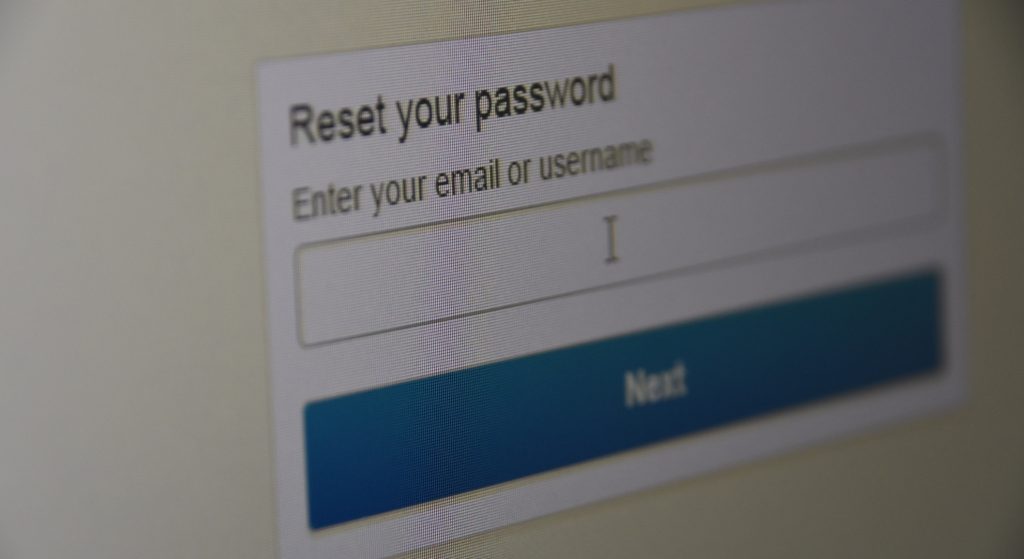
Now, change all your usernames and passwords. Start with accounts containing your payment info, like online stores, budget apps, peer-to-peer payment sites, and your bank. After that, do the same for your social media. This prevents the scammer from accessing your accounts and trying to scam your friends by pretending to be you.
Changing passwords can be annoying and take a while. But these days, most internet browsers can generate strong passwords for you and remember them. There are also other programs you can use if your browser doesn’t offer this feature.
How to avoid such scams and stay safe?
It’s crucial to stay alert and informed to keep yourself safe from scams like the Financial Hardship Department scam. Here are some essential tips to help you identify and avoid these kinds of scams, ensuring your personal and financial information remains secure.
Be Careful with Unexpected Emails
Be cautious if you get an email from the “Financial Hardship Department” or a similar source without requesting it. Emails offering quick money or financial help out of the blue should be treated with suspicion, especially if you didn’t ask for help.
Don’t Click on Attachments or Links

Scam emails might contain attachments or links leading to fake websites that look real. Clicking on these can allow malware into your device, giving cybercriminals access to your personal and financial information.
Check Who Sent the Email
Scammers can make it look like they’re sending emails from real, trustworthy sources. You can usually spot a fake by looking closely at the email address to see if it matches the company or person it’s supposed to be from.
Research the Company
Before you reply to any email, take some time to look up the company it claims to be from, especially if it’s new to you. A quick internet search can reveal if there are reports or reviews labeling the company a scam.
Avoid Sharing Sensitive Information

Real companies won’t ask for your bank details, social security number, or credit card information via email. Never share these details online with someone you don’t trust completely.
How to Fix “Printer is in an error state” Issue?
- Recognizing the importance of a printer’s duty cycle is crucial for choosing a device that matches your print volume needs. Staying within this limit ensures the printer operates efficiently and prolongs its lifespan, minimizing the risk of maintenance issues.
- Proper humidity, temperature, and cleanliness management can significantly enhance printer performance and maintain its duty cycle, preventing unnecessary wear.
- Enhancing a printer with upgrades like additional memory or better mechanical parts can improve its workload handling and extend its practical duty cycle, boosting overall durability and efficiency.
When choosing a new printer, you might come across the term “ duty cycle ” in the specifications. This guide will explain what a duty cycle is, why it matters, and how it can help you choose the right printer. We’ll keep things simple so you can easily understand how to use this information when shopping for a printer.
- Printer Duty Cycle: What It Means and Why It Matters?
- Why the Duty Cycle Is Key to Choosing the Right Printer?
- Duty Cycle vs. Recommended Monthly Print Volume: What’s the Difference?
- What Happens If You Ignore Printer Duty Cycle Recommendations? ↪ Real-World Scenarios: Why Exceeding the Duty Cycle Can Cost You
Printer Duty Cycle: What It Means and Why It Matters?

What is the meaning of Printer Duty Cycle?
The printer duty cycle represents the upper limit of a printer’s capacity—how many pages it can reliably process in a month before the risk of wear or malfunction increases. This figure is crucial for understanding printer performance limits and ensuring that your chosen printer can handle the expected work volume.
Manufacturers determine a printer’s duty cycle through stress testing, where the printer is pushed to its limit to identify how many pages it can produce each month before malfunctioning. These tests help set a reliable performance gateway for users.
A printer’s duty cycle is like a car’s speedometer—you wouldn’t drive a car at top speed all the time, and you shouldn’t push a printer to its maximum duty cycle. Doing so can lead to quicker wear and tear, more frequent maintenance, and a shorter lifespan.
If you’re unsure whether to choose an inkjet or laser printer, this detailed guide compares both options to help you make an informed decision.
Why the Duty Cycle Is Key to Choosing the Right Printer?

The Importance of Duty Cycle in printer selection
Knowing the duty cycle is essential when choosing a printer, as it determines how well the device can handle your monthly print volume without excessive wear or maintenance.
Here is why the duty cycle matters in printer selection:
- Fit for purpose: Selecting a printer with a suitable duty cycle ensures it can handle your monthly printing volume efficiently, reducing stress on its components.
- Longer lifespan and better performance: Staying within the duty cycle ensures optimal print quality and speed while prolonging the printer’s life, avoiding frequent breakdowns.
- Cost efficiency and reduced downtime: Operating within the duty cycle minimizes the need for repairs and reduces operational disruptions, managing long-term costs.
Duty Cycle vs. Recommended Monthly Print Volume: What’s the Difference?

Duty Cycle vs. recommended monthly print volume
The recommended monthly print volume is the optimal number of pages a printer should handle each month for the best performance and longevity. Unlike the maximum capacity indicated by the duty cycle, this number guides regular usage, ensuring the printer operates efficiently without excessive wear.
If your print volume regularly exceeds the recommended amount but stays within the duty cycle, the printer may operate safely in the short term, but it could still experience accelerated wear and reduced lifespan over time.
In such cases, consider upgrading to a higher-capacity printer or spreading print jobs across multiple devices to ensure long-term performance.
Here are the differences between the duty cycle and recommended monthly print volume:
- Duty cycle: Represents the maximum number of pages a printer can handle in a month without breaking down. It assesses the printer’s upper limit.
- Recommended monthly print volume: Suggests a practical, workable number of pages to print each month to keep the printer in good condition over its lifespan.
What Happens If You Ignore Printer Duty Cycle Recommendations?

Consequences of ignoring Duty Cycle recommendations |AndranikHakobyan via Canva
Ignoring the duty cycle limits poses more severe risks than exceeding the recommended monthly print volume, leading to serious long-term consequences.
While exceeding the recommended volume occasionally may result in additional wear and tear, consistently exceeding the duty cycle can lead to frequent breakdowns, reduced performance, and a shortened lifespan.
Ignoring duty cycle limits leads to frequent breakdowns, reduced performance, and increased maintenance, ultimately shortening the printer’s lifespan and causing more frequent operational downtime and higher repair costs. Long-term, pushing a printer beyond its limits leads to greater financial burdens due to premature replacements and inefficiencies.
↪ Real-World Scenarios: Why Exceeding the Duty Cycle Can Cost You
For example, in a busy law firm, overlooking duty cycle limits during a high-stakes period could cause a printer breakdown just before a critical deadline, delaying crucial legal filings and ultimately compromising client service.
For small businesses, consistently exceeding a printer’s duty cycle can lead to costly emergency repairs or premature equipment replacements, straining financial resources.
