We can’t neglect to see the development of the AI-controlled assistants on the electronic devices. Many companies have tried to integrate their own Virtual Assistants into their Smart devices and today we will be comparing some of them that are well renowned among us. Personal assistants like Google Assistant, Alexa, Siri, and Cortana have gained large popularity in recent years and they are not just limited to Smart Home speakers but they can be found out on mobile phones, tablets, and iPads.
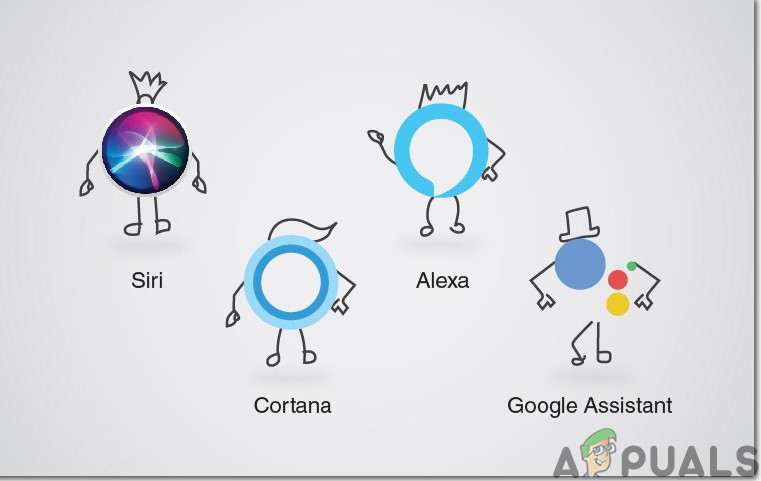
Smart Assistants
Some of the basic functionalities of these three Assistants will be discussed today, and we’ll also discover that out of these four intelligent operators which one can be trusted. The most ideal approach to quantify these AI assistants against one another right now is to consider them exclusively. They are listed from most reliable to least reliable.
Google Assistant:
Google Assistant is no doubt the sharpest and generally unique among all of the Virtual Assistants out there. Google has spread its Assistant all around the globe, not only on its own but through associations with different organizations that installed Google Assistant in a large number of electronic devices, from refrigerators and earphones to speakers and vehicles. It was launched in 2016 as an expansion of Google Now and it possesses the ability to recognize different voices and supports features like Interpreter mode. The plus point of Google Assistant is that unlike other Virtual Assistants it is available on Android as well as iOS devices. After downloading Google Assistant Application we are able to add a personal assistant to even an iOS device. Google Assistant acts like Alexa or Siri, as a partner that can energize data and perform tasks like giving instructions or turning on Spotify.
Google Assistant
Google Assistant offers voice orders and voice-activated gadget control, letting you complete various assignments after you’ve said the “OK Google” or “Hey Google” wake words. It can do assignments like controlling your gadgets and your smart home, search data from your schedules and other individual data, discover data on the web, from cafe appointments to climate and news, controlling your music and so on.
In the near future, Google Assistant would be able to control electronic home gadgets, control music, get to data from your schedules, apprise the latest alerts and updates. Google has manufactured its own smart home speakers, for example, Google Home Max and these are built to use with the Google Assistant specifically. The third-party AI-enabled google speakers are readily available in the market that are manufactured by most renowned companies like JBL, Panasonic , etc.
Siri:
Siri is Apple’s personal assistant and has been around us for quite a long while now. It first showed up on the iPhone 4S however Siri is now accessible on iPad, iPod or any Apple device whether it be a Smartphone or Macbook, etc. Apple initially deployed Siri as an independent application on the App Store in 2010 and since then Siri has propelled the most in recent 4-5 years, and at this stage, it can manage a wide range of activities on your iOS devices, on the MAC and the most recent Apple TV as well. Similarly, as with Google Assistant and Alexa, Siri will also play out a large number of tasks for you and it will pull in data from different Apple services to give you a customized understanding because it allows the use of natural language.
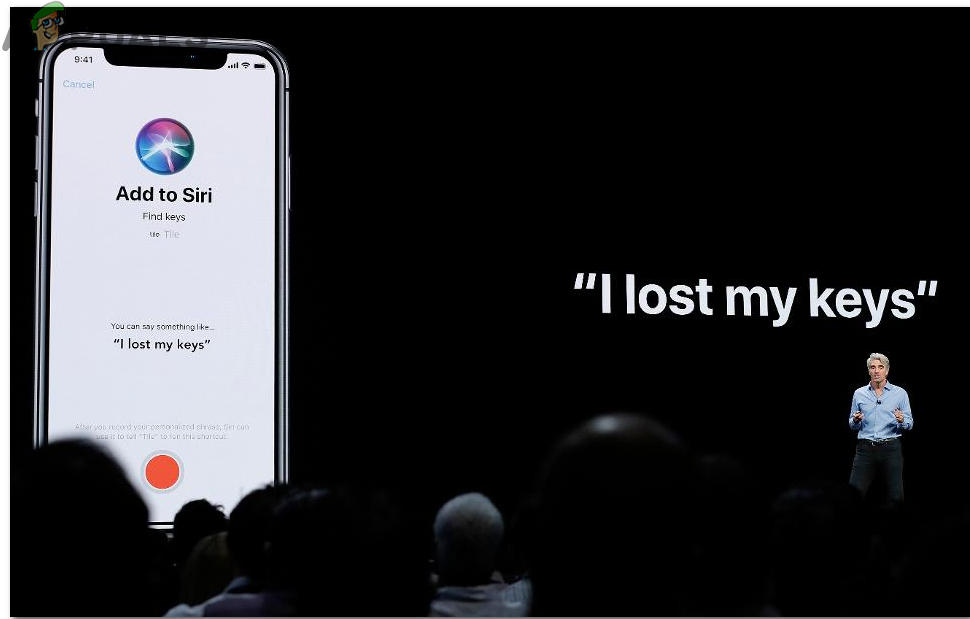
Siri
Siri can be activated by just saying “Hey Siri” to your apple gadget and it also has the capability of controlling the Smart devices that are installed at home, texting someone, setting alarms and alerts, discovering data on the web, making suggestions and even more. The primary difference when we compare Siri with Google Assistant and Alexa is that Siri is just accessible on Apple gadgets. It requires an iOS device hence it can be found on iPhones, iPads, Apple Watches, Macbooks, etc. Apple was the starting head to set a voice-controlled assistant on a mobile phone and Siri has developed from being a major interface to your iPhone’s abilities to something sharp and more brilliant.
Alexa:
Amazon Alexa
Cortana:
Artificial intelligence in Microsoft is driving a huge move in how individuals associate with Microsoft applications. You can see this move in the customized experiences that are empowered through Cortana. It helps you keep steady over your day, spare time and accomplish your best work. Cortana isn’t able to understand humans and react in a way that it is supposed to in a better way but it can manage basics like getting climate, controlling schedules, getting dictated by someone on an email. It is compatible with Apple devices and Google Android.
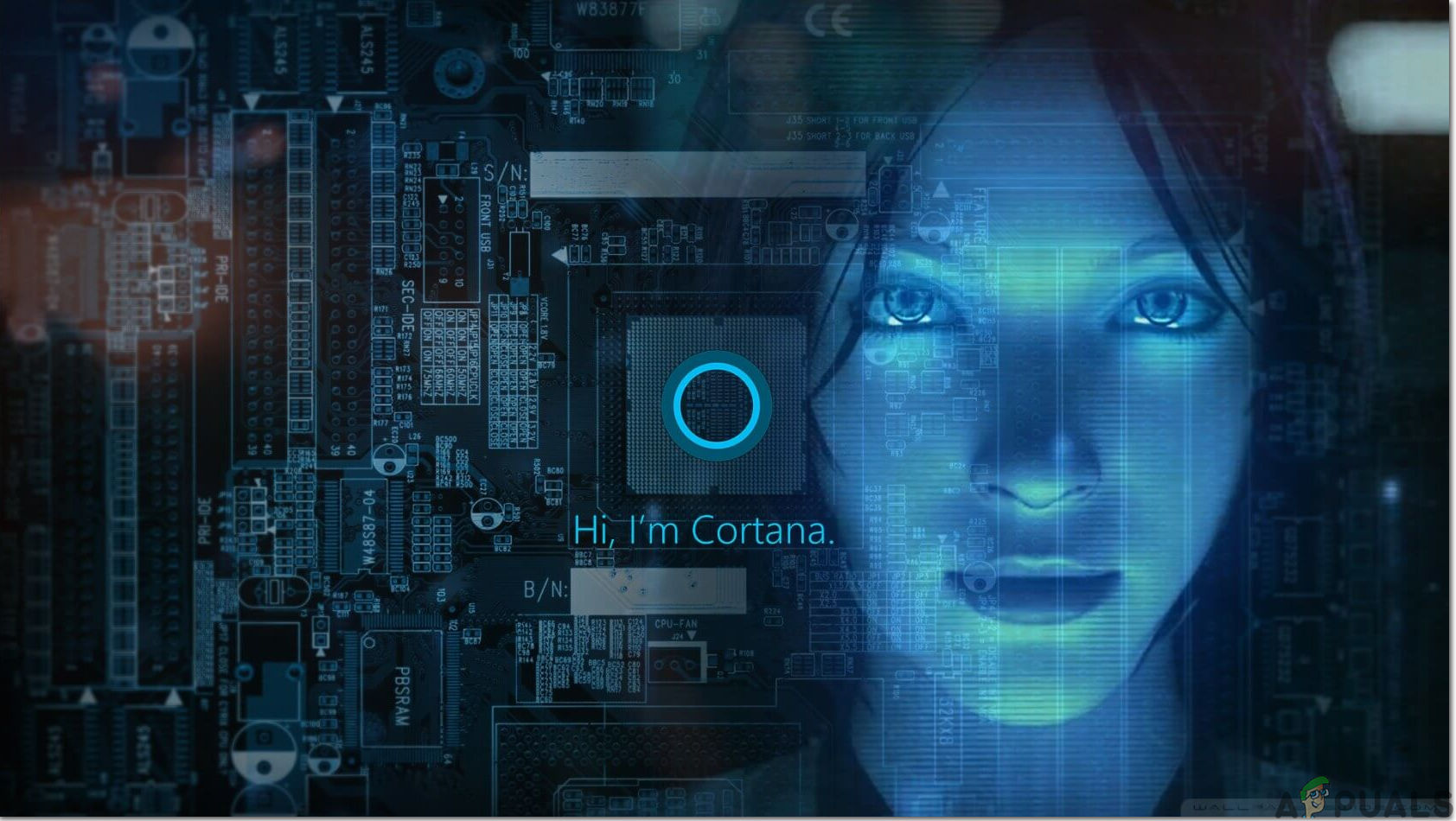
Cortana
Microsoft has set Cortana into its Edge internet browser, which suggests it’s there to help finish online tasks assigned, for example, scanning for a discount offer while shopping or reserving seats for someone.
Before jumping to the conclusion let’s discuss some of the key factors that will help us to analyze whether which one is the most reliable Virtual Assistant.
- Voice Recognition: Now let’s get to know how frequently these Virtual Assistants interpret the human voice accurately. I own the iPhone so I decided to test Siri’s voice acknowledgment at different distances from my phone, with a changing amount of noise and found out that Siri is noise immune and it understands you well no matter which accent you possess. I think Siri is most reliable for communicating on a regular basis because it feels natural and easy to speak with. The same goes for Google Assistant, it also comprehends you well even if your voice is not crystal clear. Voice Recognition Alexa works well on the root level. It responds well to the fundamental inquiries, particularly those related to buying things on Amazon and setting updates. Whereas while responding to complicated questions like making online reservations, buying movie tickets , etc the probability of error is very large if we are using Alexa. Most of the times it responds with an unhelpful reply for example, “Sorry, I don’t know that.” It is not much difficult to set reminders using Alexa but when they are set, it only rings a tone without any indication of what the remainder is for and the user has to turn it OFF manually. Cortana has some issues while interpreting human voice even if there is little or no noise present in the surroundings. Cortana successfully expelled itself from the running since it couldn’t hear or comprehend humans on a fundamental level.
- Basic Tasks: Let’s check whether how well these virtual assistants performed basic tasks like setting alarms, setting ringtones, closing applications, etc. On my iPhone, I opened Siri and asked him to search for a specific website on the Safari browser and it successfully did this for me whereas Google Assistant was not able to do so when I performed this task on an Android phone. In addition to this Alexa was the most insightful at setting reminders. Set alarms
- Directions: At the point when you’re set up to go out the use of these Virtual Assistants is recommended because they can guide you the shortest routes, apprise you regarding traffic congestion on your route and many more. Siri is considered to be most reliable among them all because not only it guides you the exact time required to reach your destination but it can automatically start GPS navigation and direct you towards your destination in a very humble way. It also addresses your inquiries regarding the quantity of traffic on the road. Google stands at the second position because of fewer features and less user-friendly interface as compared to Siri. Alexa and Cortana are unable to deal with the public transit and hence they are at the bottom position when we compare the navigation feature of these Virtual Assistants. Navigation
- Email: Siri and Google Assistant are major rivals in this case. If you speak the name of the person whom you want to send the e-mail, almost every Virtual Assistant will look for that specific person in the contact list and send the mail with immediate effect. Siri and Google Assistant both ask for the subject of the mail and Siri works with the apple mail whereas the Google Assistant utilizes Gmail. If you question Siri for any unread messages in the inbox folder it will immediately open them for you but Google Assistant will be silent in this case. Furthermore, if you want Siri to read the latest mail for you, it will even do this and as soon as you’ve said this Siri will start reading the latest message whereas Google Assistant will just display the latest two emails without providing any direct link to the Gmail application. Alexa and Cortana are unable to understand the query raised and in some situations, Cortana opens the Bing web browser to search the specific query raised. Cortana has the ability to respond to some queries but Alexa doesn’t declare anything after listening to the Voice commands. Send E-mail
- Online Food Ordering: A major portion of people living in society all around the globe prefer to order food online. All of the four Assistants suggest nearby dine-in and take away eateries nearby your location yet only Siri makes your reservations online and furthermore it provides you the directions for reaching the restaurant. If we talk about Google I would rather say that the directions of Google are not much accurate and sometimes it guides you through a longer path to reach your destination instead of the shortest path. None of the Assistants is capable of ordering food online for you except Siri and this is a major plus point of this Virtual Assistant. Online Food Ordering
Conclusion:
Which Virtual Assistant is better and fulfills our needs? I will try to answer this most common question that comes in everybody’s mind whenever we are thinking to opt for any Virtual Assistant.
I think Google Assistant tops the list because it can handle multiple questions and answer them in a sophisticated way because of the Google Search engine at the backend but the welcoming words “Hey Google” etc aren’t user friendly when we compare them with Alexa and Siri. Google has additionally declared that the Assistant will have the option to distinguish items and gather visual data through the gadget’s camera and it will also have the feature of transferring money online all over the world in near future.

Google Assistant
In light of your daily routine, Siri can foresee what is needed to assist you to breeze through your day and it also permits you to speak naturally due to the addition of neural text-to-speech technology feature. Siri can likewise propose your preferred playlist when you show up at the gym or when you sit in your car for going on a drive etc. The only drawback of Siri uptil now is that it is only available on iOS devices and it results in less compatibility with the latest applications and services as compared to Google Assistant.
Siri vs Google Assistant
How to Fix “Printer is in an error state” Issue?
- Recognizing the importance of a printer’s duty cycle is crucial for choosing a device that matches your print volume needs. Staying within this limit ensures the printer operates efficiently and prolongs its lifespan, minimizing the risk of maintenance issues.
- Proper humidity, temperature, and cleanliness management can significantly enhance printer performance and maintain its duty cycle, preventing unnecessary wear.
- Enhancing a printer with upgrades like additional memory or better mechanical parts can improve its workload handling and extend its practical duty cycle, boosting overall durability and efficiency.
When choosing a new printer, you might come across the term “ duty cycle ” in the specifications. This guide will explain what a duty cycle is, why it matters, and how it can help you choose the right printer. We’ll keep things simple so you can easily understand how to use this information when shopping for a printer.
- Printer Duty Cycle: What It Means and Why It Matters?
- Why the Duty Cycle Is Key to Choosing the Right Printer?
- Duty Cycle vs. Recommended Monthly Print Volume: What’s the Difference?
- What Happens If You Ignore Printer Duty Cycle Recommendations? ↪ Real-World Scenarios: Why Exceeding the Duty Cycle Can Cost You
Printer Duty Cycle: What It Means and Why It Matters?

What is the meaning of Printer Duty Cycle?
The printer duty cycle represents the upper limit of a printer’s capacity—how many pages it can reliably process in a month before the risk of wear or malfunction increases. This figure is crucial for understanding printer performance limits and ensuring that your chosen printer can handle the expected work volume.
Manufacturers determine a printer’s duty cycle through stress testing, where the printer is pushed to its limit to identify how many pages it can produce each month before malfunctioning. These tests help set a reliable performance gateway for users.
A printer’s duty cycle is like a car’s speedometer—you wouldn’t drive a car at top speed all the time, and you shouldn’t push a printer to its maximum duty cycle. Doing so can lead to quicker wear and tear, more frequent maintenance, and a shorter lifespan.
If you’re unsure whether to choose an inkjet or laser printer, this detailed guide compares both options to help you make an informed decision.
Why the Duty Cycle Is Key to Choosing the Right Printer?

The Importance of Duty Cycle in printer selection
Knowing the duty cycle is essential when choosing a printer, as it determines how well the device can handle your monthly print volume without excessive wear or maintenance.
Here is why the duty cycle matters in printer selection:
- Fit for purpose: Selecting a printer with a suitable duty cycle ensures it can handle your monthly printing volume efficiently, reducing stress on its components.
- Longer lifespan and better performance: Staying within the duty cycle ensures optimal print quality and speed while prolonging the printer’s life, avoiding frequent breakdowns.
- Cost efficiency and reduced downtime: Operating within the duty cycle minimizes the need for repairs and reduces operational disruptions, managing long-term costs.
Duty Cycle vs. Recommended Monthly Print Volume: What’s the Difference?

Duty Cycle vs. recommended monthly print volume
The recommended monthly print volume is the optimal number of pages a printer should handle each month for the best performance and longevity. Unlike the maximum capacity indicated by the duty cycle, this number guides regular usage, ensuring the printer operates efficiently without excessive wear.
If your print volume regularly exceeds the recommended amount but stays within the duty cycle, the printer may operate safely in the short term, but it could still experience accelerated wear and reduced lifespan over time.
In such cases, consider upgrading to a higher-capacity printer or spreading print jobs across multiple devices to ensure long-term performance.
Here are the differences between the duty cycle and recommended monthly print volume:
- Duty cycle: Represents the maximum number of pages a printer can handle in a month without breaking down. It assesses the printer’s upper limit.
- Recommended monthly print volume: Suggests a practical, workable number of pages to print each month to keep the printer in good condition over its lifespan.
What Happens If You Ignore Printer Duty Cycle Recommendations?

Consequences of ignoring Duty Cycle recommendations |AndranikHakobyan via Canva
Ignoring the duty cycle limits poses more severe risks than exceeding the recommended monthly print volume, leading to serious long-term consequences.
While exceeding the recommended volume occasionally may result in additional wear and tear, consistently exceeding the duty cycle can lead to frequent breakdowns, reduced performance, and a shortened lifespan.
Ignoring duty cycle limits leads to frequent breakdowns, reduced performance, and increased maintenance, ultimately shortening the printer’s lifespan and causing more frequent operational downtime and higher repair costs. Long-term, pushing a printer beyond its limits leads to greater financial burdens due to premature replacements and inefficiencies.
↪ Real-World Scenarios: Why Exceeding the Duty Cycle Can Cost You
For example, in a busy law firm, overlooking duty cycle limits during a high-stakes period could cause a printer breakdown just before a critical deadline, delaying crucial legal filings and ultimately compromising client service.
For small businesses, consistently exceeding a printer’s duty cycle can lead to costly emergency repairs or premature equipment replacements, straining financial resources.
