Many Windows 10 users report issues with their DVD/CD drives not functioning, with the Device statu s section on the General tab of the DVD/CD-ROM’s properties in Device Manager displaying Error 19. This issue can appear suddenly or following a system upgrade and is typically caused by either driver issues with the DVD/CD drive or irregularities in the computer’s registry. Below are the most effective solutions to rectify this problem:
Solution 1: Update your DVD/CD drive drivers.
Press the Windows Logo key and R .
Type ‘ hdwwiz.cpl ‘ into the Run dialog and press Enter to open the Device Manager . Expand the DVD/CD-ROM Drives in Device Manager, then double-click on your DVD/CD drive. Navigate to the driver and click on ‘U pdate Driver ‘.
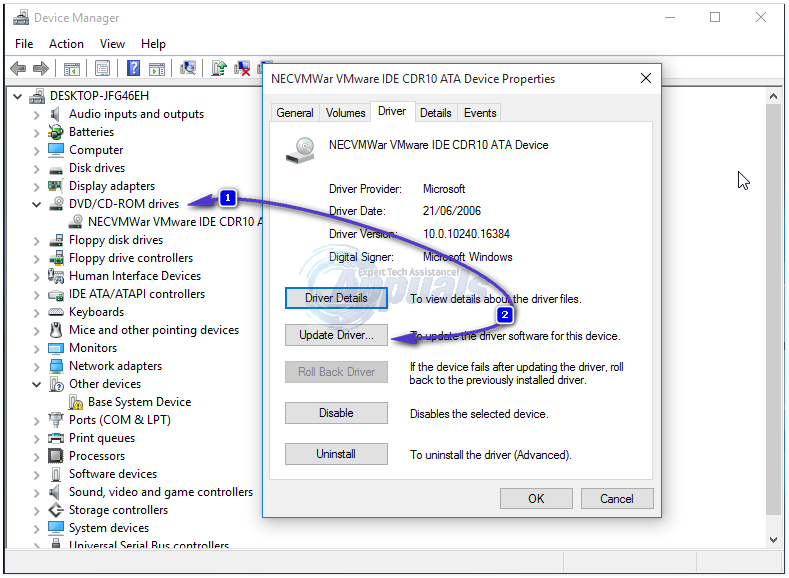
Select ‘Search for update driver automatically ‘ and wait for your computer to check for available updates for your CD/DVD drive’s drivers. If updates are available, download and install them.
Solution 2: Uninstall your DVD/CD drive.
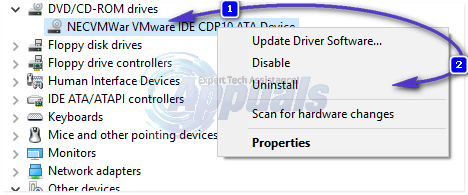
Press the Windows Logo key + R . Type “ hdwwiz.cpl ” into the Run dialog and hit Enter to activate the Device Manager . Expand the DVD/CD-ROM Drives in Device Manager. Right-click your DVD/CD drive and select Uninstall , confirm the action if prompted.
Click ‘ Action ‘ on the toolbar at the top of the window, then select ‘ Scan for hardware changes ‘.
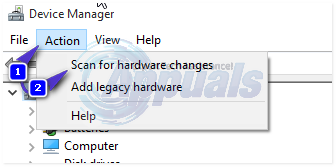
Wait for Windows to detect and reinstall your DVD/CD drive, including its drivers. Upon reinstallation, the drive should reappear in the DVD/CD-ROM Drives section of the Device Manager . Restart your computer and check if the issue has been resolved.
Solution 3: Resolve this issue by modifying the registry.
The most common solution for error 19 on a DVD/CD drive, or any other computer hardware, is to remove specific values from your registry. Press the Windows Logo key + R , type ‘ regedit ‘ into the Run dialog, and hit Enter to open the Registry Editor .
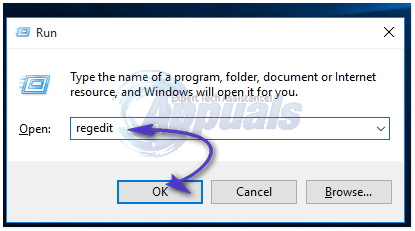
While this solution is highly effective, remember the registry is a sensitive part of the computer, with an erroneous deletion likely leading to system failure. Therefore, you should backup your registry before proceeding. In the Registry Editor’s top left corner, click ‘ File ‘, then ‘ Export ‘, and save the aptly named backup (e.g., ‘RegistryBackup’) on your desktop . This way, if anything goes wrong, you can overwrite the affected registry with the unaltered backup.
In the R egistry Editor’s left pane, navigate to the following directory:
HKEY_LOCAL_MACHINE\SYSTEM\CurrentControlSet\Control\Class{4D36E965-E325-11CE-BFC1-08002BE10318}
Click on the {4D36E965-E325-11CE-BFC1-08002BE10318} key in the left pane to view its contents in the right pane.”
In the content of {4D36E965-E325-11CE-BFC1-08002BE10318}, search for the values named UpperFilters and LowerFilters .
If either or both of these values exist, delete them. Close the Registry Editor and reboot your computer. Upon restart, verify if the issue has been resolved.
